

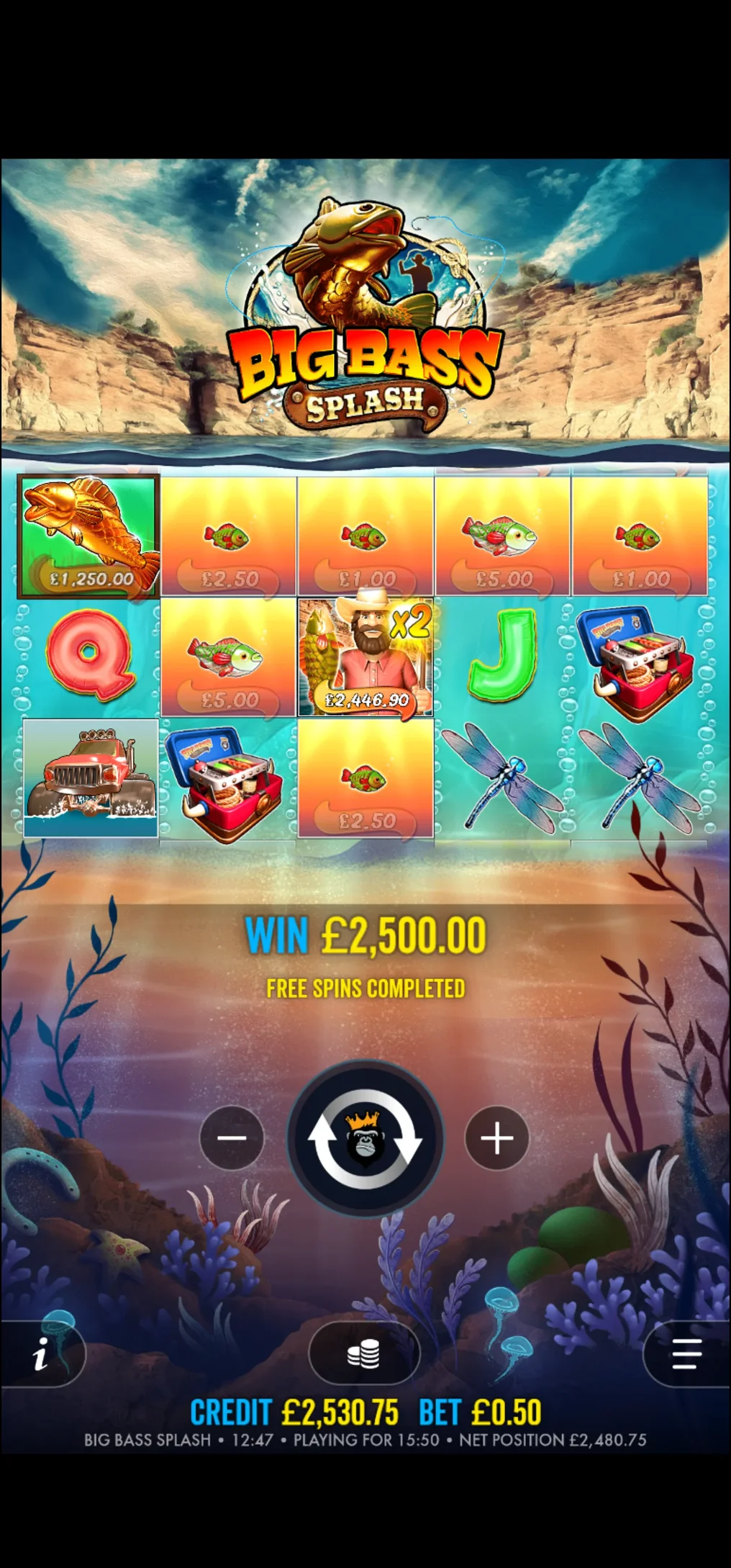
In Netherlands, you play Big Bass Splash with clear goals: choose stakes, pace, and limits so your session remains manageable.
Imagine: you see a promotional card in the lobby and think it's “automatically” active. Then you start the game, but you notice you're not getting anything extra and you don't understand why. Usually, it's not bad luck, but a simple step you missed.
Extras around a slot often work through activation, qualification, and only then unlocking. This can mean you first make a choice in your account menu, or that you need to follow a specific promotional period. It helps to view it this way: a promotion is not a promise, it's a set of rules on top of your regular session. Once you know those rules, you can benefit from them without losing your pace or budget.
In 2026, many platforms in the Netherlands offer clear tools to keep your sessions tight: deposit limits, timers, breaks, and self-exclusion. Use them as your safety belt. And only play as an adult, within the applicable rules and age limits. This way, it remains a conscious choice, not an automatic habit.
Also important is what happens with winnings from promotions. Sometimes it ends up in a separate balance, sometimes it first counts towards conditions, and sometimes you can only withdraw after certain steps have been completed. Therefore, make it a habit to check two things before you start: is the promotion really active, and what is your stop moment (time or amount)? That sounds strict, but it actually makes your session more relaxed.
All promotional incentive structure is clearly stated in writing and/or via electronic means in an easily understood manner. All codes are accompanied by an explanation of what the code is for, who is eligible to use the code, and how it should be used. As such, players are less likely to be confused about what is required of them in order to receive a reward and how the reward will be applied after receiving it. The promotional incentives provided to participants provide them with time to become familiar with the gaming system's mechanics, their interface, and progress, before deciding how deeply they wish to become involved with this platform. Therefore, players are encouraged to participate in an informed manner, rather than being pressured or tempted to act quickly.
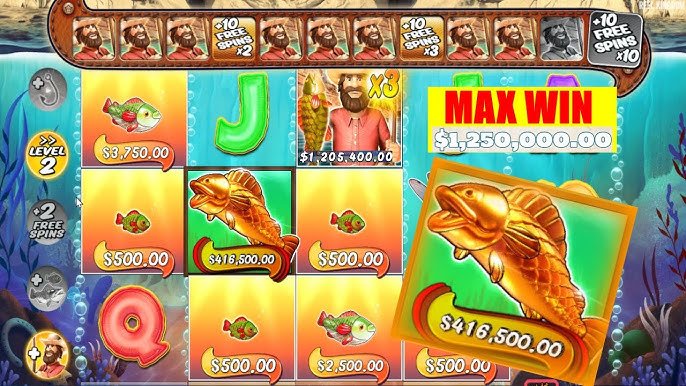
When you see a stream with a huge hit, it feels like it “can” and therefore should happen quickly. Many players then start playing harder, clicking faster, and placing higher bets because they want to chase the moment. You usually only recognize that pitfall when your balance drops faster than you expected.
The upper limit of a payout is primarily a technical limit of the game design, not a plan you can execute. In practice, it's about variation: sometimes nothing happens for a long time, sometimes you get short peaks, and sometimes it seems to be going well before it turns back. If you accept this, you won't chase. You play a session with a beginning and an end, instead of a quest for “the one round”.
Make it concrete: choose a number of spins or a time block beforehand and play it out without changing your bet based on emotion. Do you want to adjust? Then only after a break, and only if you are still within your budget. This way your behavior remains stable, even if the game fluctuates. And that is ultimately the only part you can truly control.
Usually, you open the game, see the fisherman and the boat, and your fingers immediately want to start. If you then change your bet and speed within the first few minutes, everything feels “random”. Imagine instead following one small routine and suddenly you notice: you read the game better and you remain calmer.
This slot fundamentally revolves around repetition with occasional moments where the pattern changes. That is precisely why structure helps. By first setting your basic settings, you get a session you can evaluate: did my pace work, was my bet comfortable, and did I stay within my limits?
Imagine: you start with a bet that seems “okay,” but after twenty spins it feels too high. This often happens because the pace blurs your sense of money per round. Therefore, first set your bet, then choose your speed, and decide whether you play manually or with limited autoplay.
A simple rule that helps many players: change only one variable at a time. First bet, then pace. First play a block, then evaluate. If you adjust everything at once, you won't know what made your session better or worse, and that quickly leads to impulsive choices.
If you wait a long time for a special round, you quickly think: “it must be coming now”. Imagine recognizing that thought and precisely then lowering your pace instead of increasing it. That one moment can make the difference between a controlled session and a session where you are chasing your own emotions.
View extra features as something that might happen, not something you can force. Therefore, plan your session as if that feature won't come. Anything that does come is then a bonus for your experience, but it doesn't change your boundaries. That sounds sober, and that's exactly the intention.
Stake Management With Small Steps Instead Of Leaps
Imagine hitting nothing twice in a row and your hand goes towards the bet button. That's a normal reflex moment. Turn it into a fixed reaction: pause briefly, look at your limit, and only then decide.
Choose a basic stake that you can maintain for an entire session without stress. If you want to scale up, do it in small steps and only if you are well within budget. This keeps your session predictable. And predictability in a game of chance is not boredom, but protection against yourself.
Pace, Autoplay And Mobile Play Without Distraction
You turn on autoplay "for convenience," get a notification, and before you know it, a block of spins has passed that you didn't even notice. Imagine trying to remember why you were playing afterward, only to realize it was mostly automatic. Therefore, set clear limits on autoplay: a small number of spins, fixed stake, and a check-in moment.
On mobile, it helps to turn off notifications and keep sessions short. Choose one quiet place, play in blocks, and use a timer. If you notice yourself tapping faster than you think, that's your signal to slow down or stop.
Imagine: you've had a good session and want to request a withdrawal, but you find out your account isn't completely finalized yet. That feels like your winnings are "stuck," when it's often just a missing step. The best time to arrange this is before you start playing, not after.
Keep it simple: choose one payment method you also want to use for withdrawals, fill out your profile neatly, and set your limits in advance. This prevents you from having to switch between menus, rules, and controls during a session. In Netherlands, this is extra important because platforms typically pay close attention to data and payment route consistency, precisely to keep everything tidy and safe within the rules.
|
Component |
Helpful Choice |
What To Pay Attention To |
Why It Provides Peace Of Mind |
|
Payment Method |
One fixed route |
Name and details are correct |
Fewer steps for withdrawals |
|
Deposit Cap |
Session budget |
Do not increase due to emotion |
You prevent impulsive deposits |
|
Session Timer |
Fixed time block |
Plan pause moments |
You don't stop "by accident" |
|
Verification |
Complete beforehand |
Clear documents |
Less hassle at the end |
|
Transaction Status |
Check first |
Do not try twice |
You maintain an overview |
|
Pause Tool |
Implement timeout |
When restless or chasing |
You break the pattern |
When you see a promotion, depositing sometimes feels like "now or never." Imagine doing that and only afterward realizing you actually have little time, leading you to play hastily. Reverse the order: first choose time, then budget, only then deposit.
Make depositing a conscious act: set a limit, choose an amount, confirm, pause for ten seconds, and only then open the game. That mini-pause is small, but it takes the impulse out of the moment.
You click withdraw and expect it to be handled immediately, but you see a notification about an extra check. Imagine being tired at that moment and getting annoyed, leading you to make awkward choices. Prevent this by checking in advance whether your profile and payment settings are complete.
If something takes longer than you thought, don't try everything again. First check the status in your account, note what you have already done, and only then take the next step. Calm steps prevent clutter.
Many players only set limits after things have gotten exciting. Imagine you've just had a series of losses and then suddenly have to be strict with yourself. That's harder than it needs to be.
Choose three limits beforehand: time, deposit, and loss. Set them at a level you can truly stick to without discussion. If you feel the urge to loosen limits during the session, that's usually the signal that it's better to pause.

You start with the idea of 'just playing for a bit,' and suddenly it's late. Imagine if you *did* have a clear plan: one block of play, a break, evaluation, done. Then it doesn't feel like the game took your time, but rather that you used your time.
A session plan doesn't have to be complicated. It's mainly a series of small agreements with yourself. The more concrete, the better: '30 minutes, fixed stake, no increase, stop at limit.' That's not strict, that's kind to your future self.
If you play your entire budget in one flow, your mind gets tired faster. Imagine dividing it into three blocks and getting up for a moment between each block. Then you'll notice more quickly whether you're still calm or already chasing.
Use blocks as pause points: after each block, look at your balance, your mood, and your pace. If one of those three changes in a negative direction, you stop. This way, stopping becomes a normal step, not a defeat.
A nice hit feels like a green light to go harder. Imagine that you slow down precisely then, because you know that emotions after a win can drive you just as hard as after a loss. Take a short break, re-evaluate, and choose whether to stop or continue with the same stake.
Some players find it pleasant to 'safeguard' a portion of their winnings by not touching it again during the session. That can help mentally, because then you don't feel like you're giving everything back.
Loss can make you feel like you need to fix something. Imagine thinking: 'ten more spins, then it'll turn around.' That's exactly the thought that ruins your plan.
Create one non-negotiable loss rule. As soon as you hit that limit, you stop. Not to punish, but to keep your relationship with the game healthy. Coming back later with a clear head is always better than continuing out of frustration.
You pick up your phone on the couch and start a session because you're bored. Imagine doing this three evenings in a row and it suddenly becomes automatic. By keeping mobile gaming short and planned, you prevent it from becoming 'standard'.
Turn off notifications, choose a fixed duration, and only play if you truly make a conscious choice. If you notice yourself starting out of boredom or stress, it's better to use a pause tool. That's exactly what it's for.
Sometimes something gets stuck: a payment you don't immediately see, a setting you can't find, or a session that feels different than you expected. Imagine asking for help in one emotional block of text and then having to wait even longer because it's unclear. Short and factual works faster, and it saves you irritation.
If you don't understand something, you often want to try everything again immediately. Imagine accidentally taking double steps and making it even more confusing. It's better to use a checklist: are you logged into the correct account, is your balance correct, is a limit active, and do you see notifications in your account menu?
When contacting support, write down three things: what you wanted to do, what happened, and what step you've already tried. Add the time and amount if relevant. This way, you'll get a targeted answer faster and you can proceed with a clear choice: continue playing or stop.
Open your account settings, choose a time limit and a deposit cap that fit your budget, and set them before you start the slot. Imagine that you're already in the flow halfway through and only then want to set limits - that feels like a brake and works less effectively. With pre-set limits, you don't have to stop based on feeling, but simply follow your own agreements.
Activate a maximum of one promotion at a time, read the terms and conditions as if it were a checklist, and plan one clear session to play with it. Many players want to combine everything and then lose track, being surprised by extra steps afterward. Keep it simple: activate, play in blocks, check progress, and stop on time.
Make a fixed rule: your bet only changes after a short break and only if you are well within your session budget. Imagine you've just missed a few times and your hand is already reaching for the button - that's precisely the moment to slow down. Look at your limit, breathe out, and decide again; often, the impulse subsides naturally as soon as you slow down.
First, check the transaction status in your account and do not immediately restart the same request, as you could create duplicate work. Imagine you click multiple times and then no longer know which is 'the real' request. Note down what you've already done (time, amount, step) and only then contact support with one short, factual explanation.
A timeout is smart if you notice yourself starting automatically too often, clicking faster, or primarily playing to win something back. Imagine you're no longer playing because you enjoy it, but because it has become a habit. A pause setting breaks that pattern and gives you space to choose consciously again.
Keep sessions short, turn off notifications, and only play in a fixed location with a timer, so it doesn't become a thoughtless habit. Imagine you receive messages in between and click through without thinking - your boundaries then shift unnoticed. With short blocks and planned breaks, your attention remains in charge, not your screen.
Big Bass Splash is a fascinating game that combines the best of online slots with an exotic and exciting theme.